The Integrated Immersion samples health, conservation and community education inside the same fortnight — then spends your specialization days on whichever one refuses to let you go.
Most students arrive certain about their major and considerably less certain about their life. The Integrated Immersion is built for exactly that gap. Instead of committing to one service focus before you have tried any of them, you rotate through all three across the 14-day Phase One, then concentrate your final specialization days on the one that actually held your attention.
The structure is deliberate. Rotation days give you genuine working exposure to health, conservation, and community education — not a tour, not a demonstration, but real tasks inside each program. Specialization days at the end of Phase One let you go deeper in the area you have chosen, with the context of having tried the alternatives.
Cohorts are intentionally mixed. A nursing student, an environmental science major, an education student and someone still undeclared end up on the same rotation, and the conversations that produces are, by a long distance, the thing alumni say they remember. It is also the pedagogical argument for the model: you learn what public health means from working next to someone who is already fluent in it.
The alternative — the Single-Track Specialized Immersion — spends all 14 days inside one focus area. It is the stronger choice if you already know your field and want the depth that makes a résumé line real. Neither track costs more than the other. Neither is shorter. They are simply shaped differently, and you can switch your preference up until the pre-departure planning window.
If you are choosing for a group rather than yourself, faculty and campus club leaders can request a cohort built around either shape, or a hybrid, through a custom immersion.
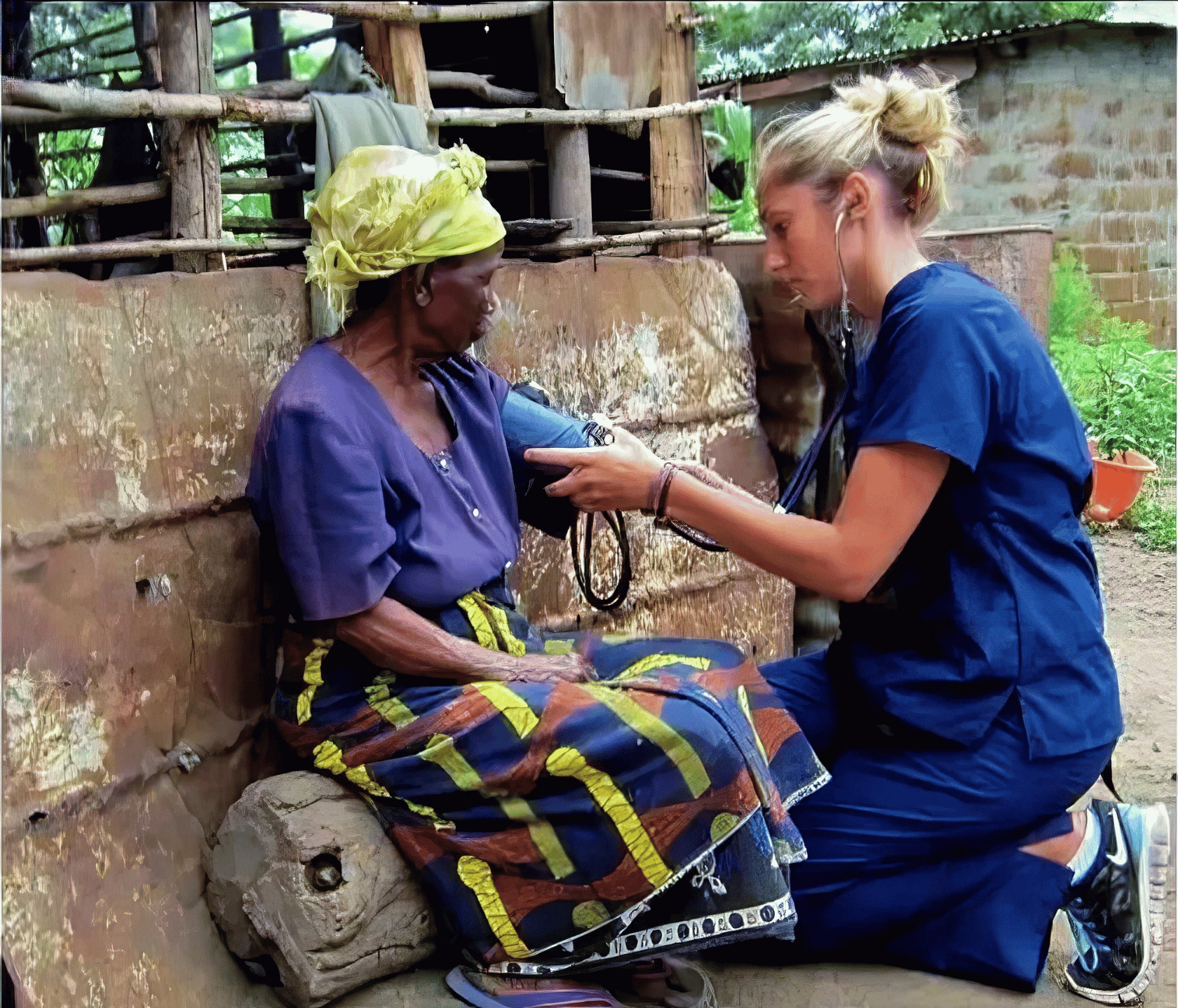
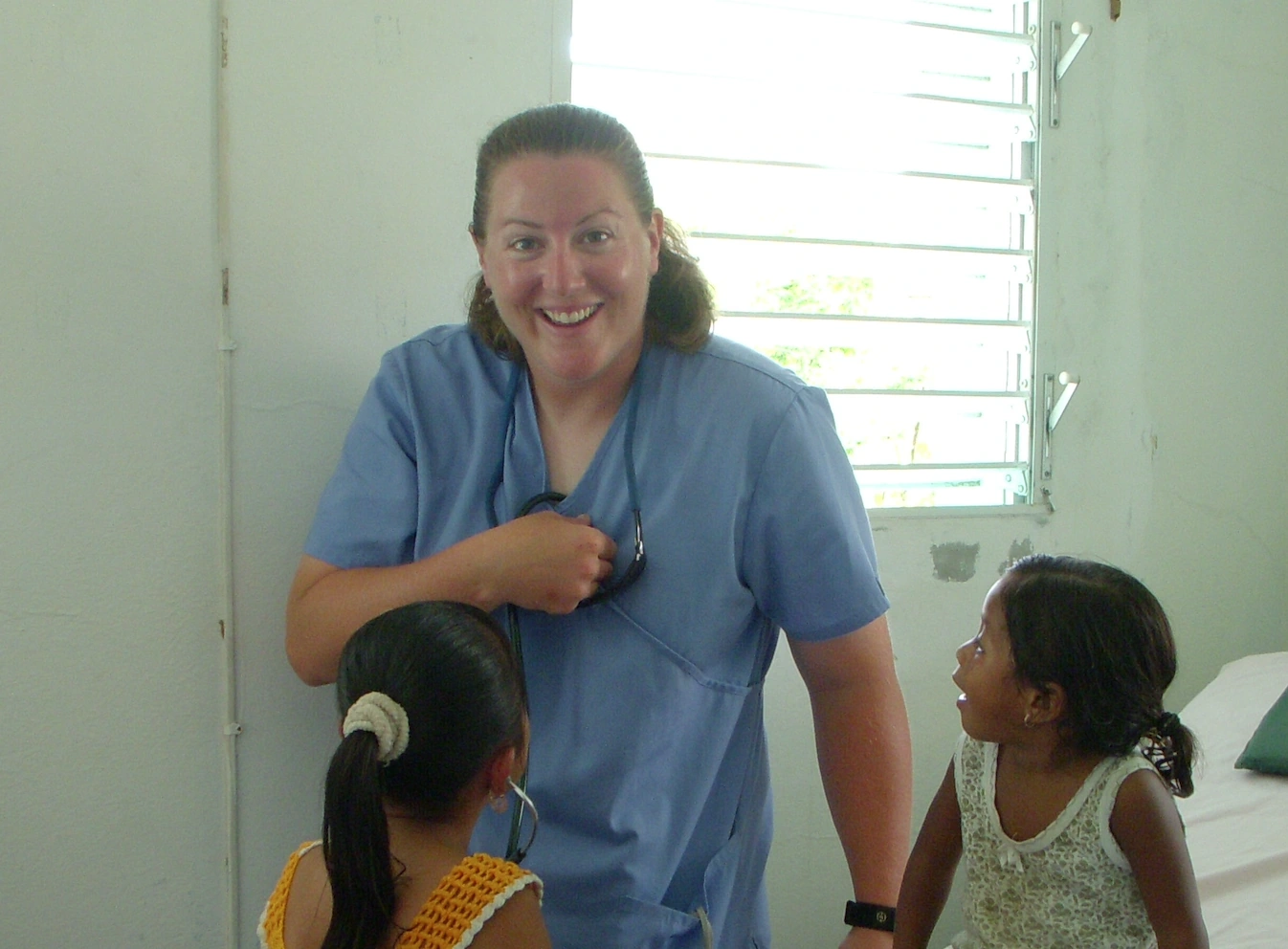
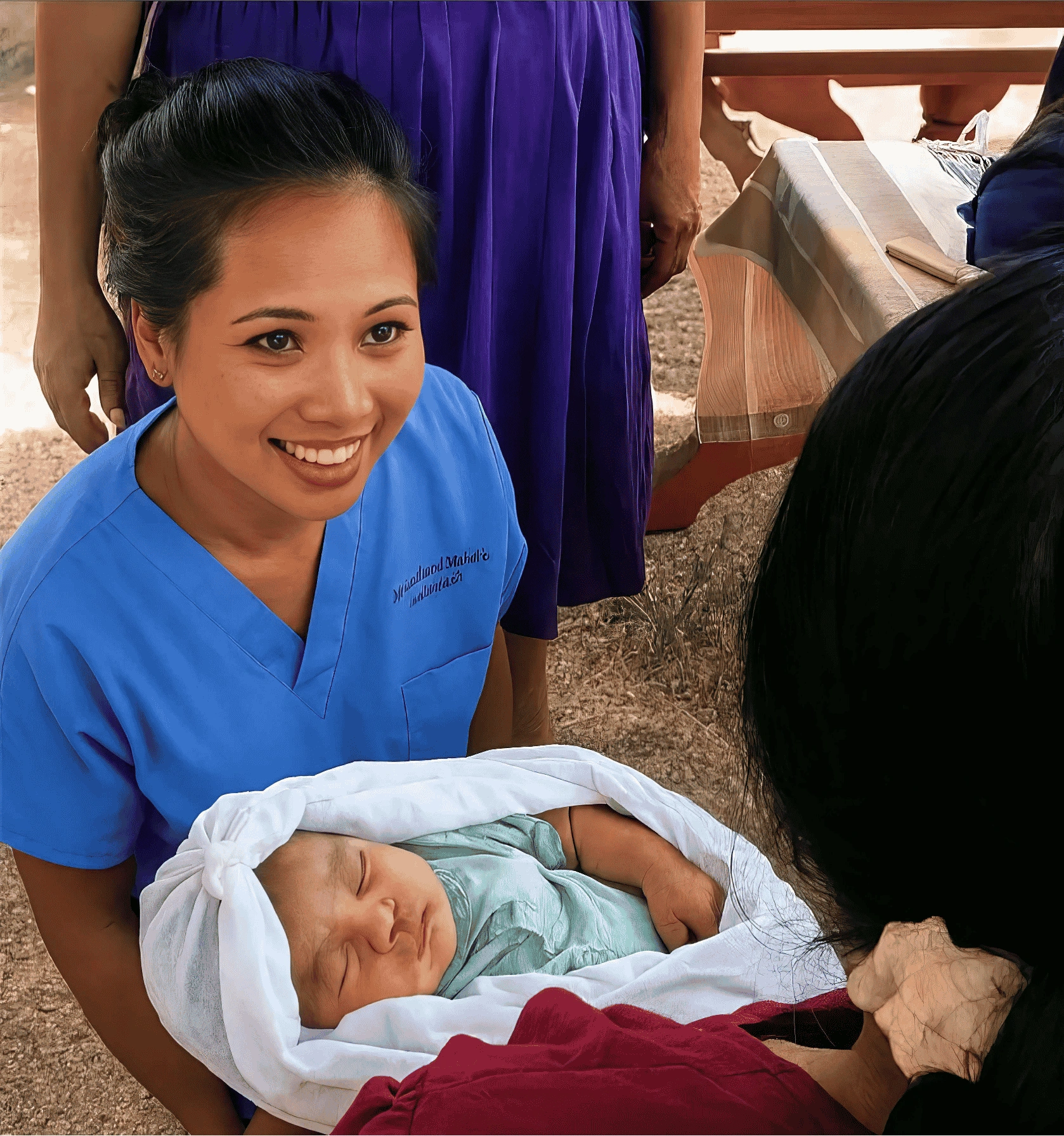
Mobile clinics, screenings, and community health education.
You work inside a running health program at a scope matched to your training. For students who have never seen healthcare delivered outside a hospital, this rotation frequently changes the plan.
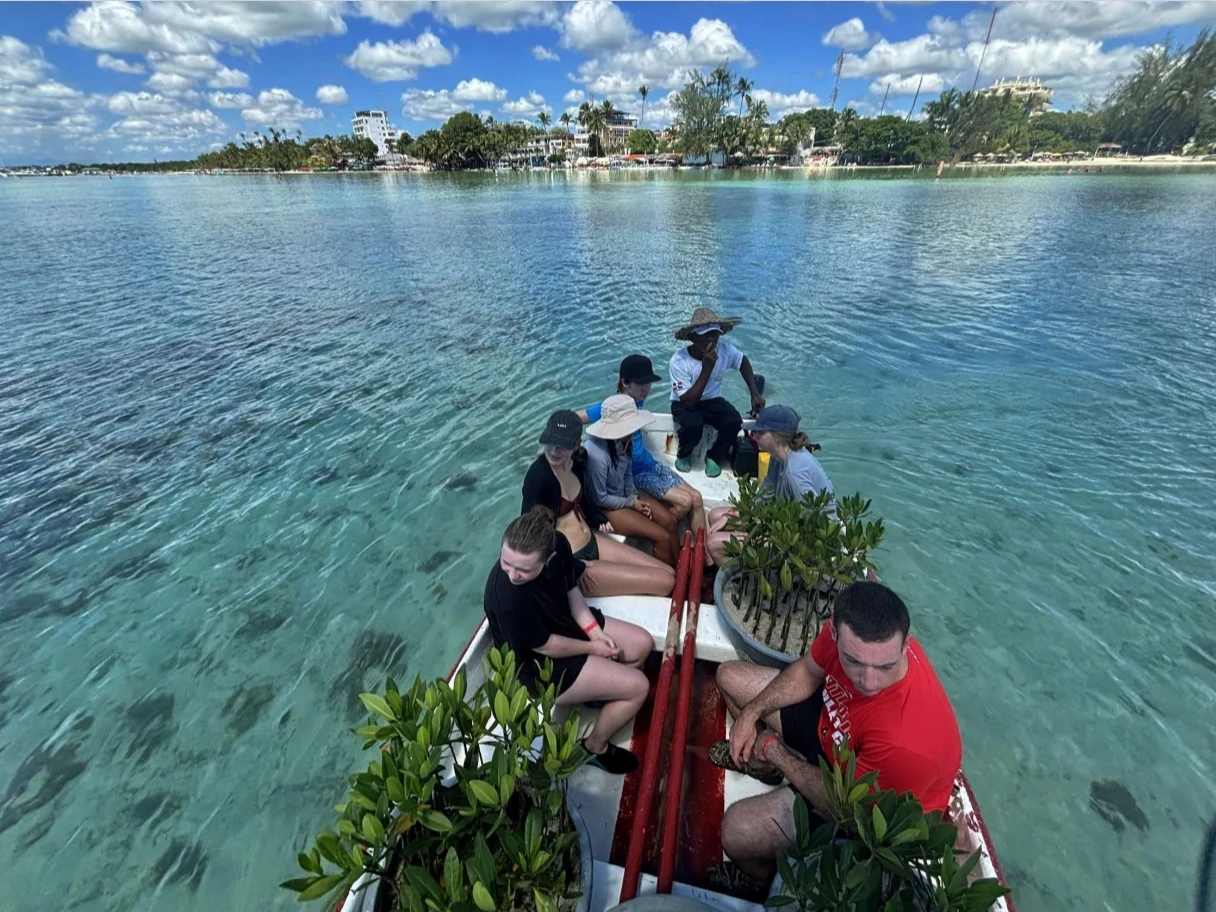
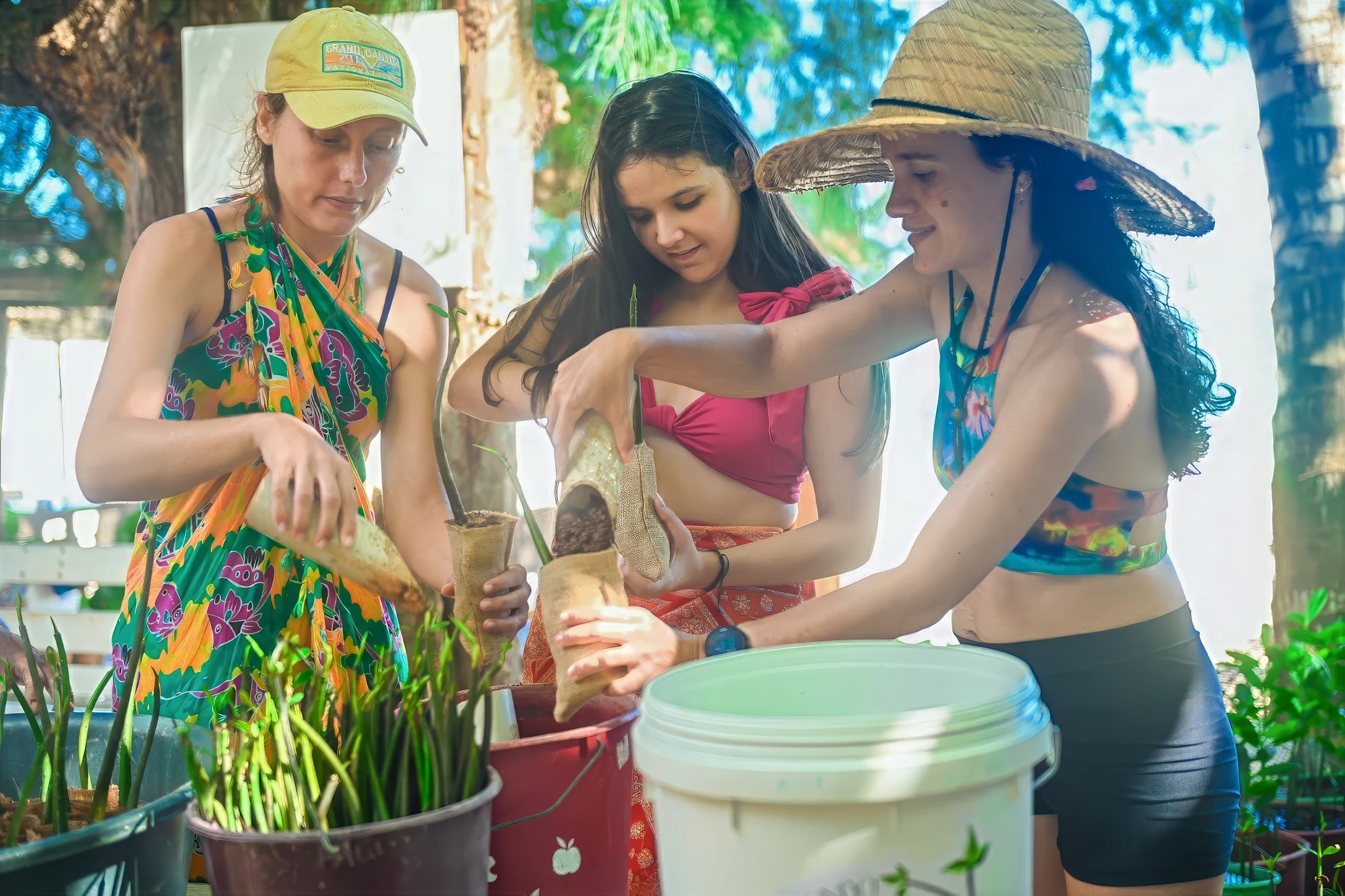
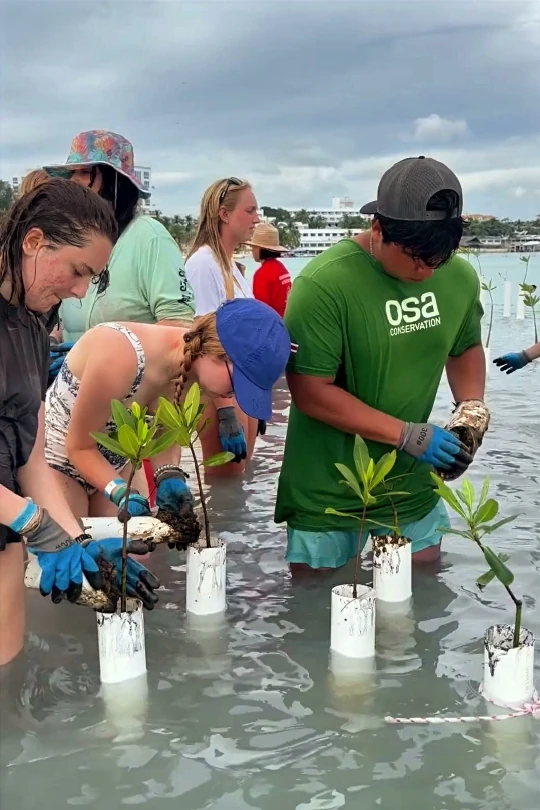
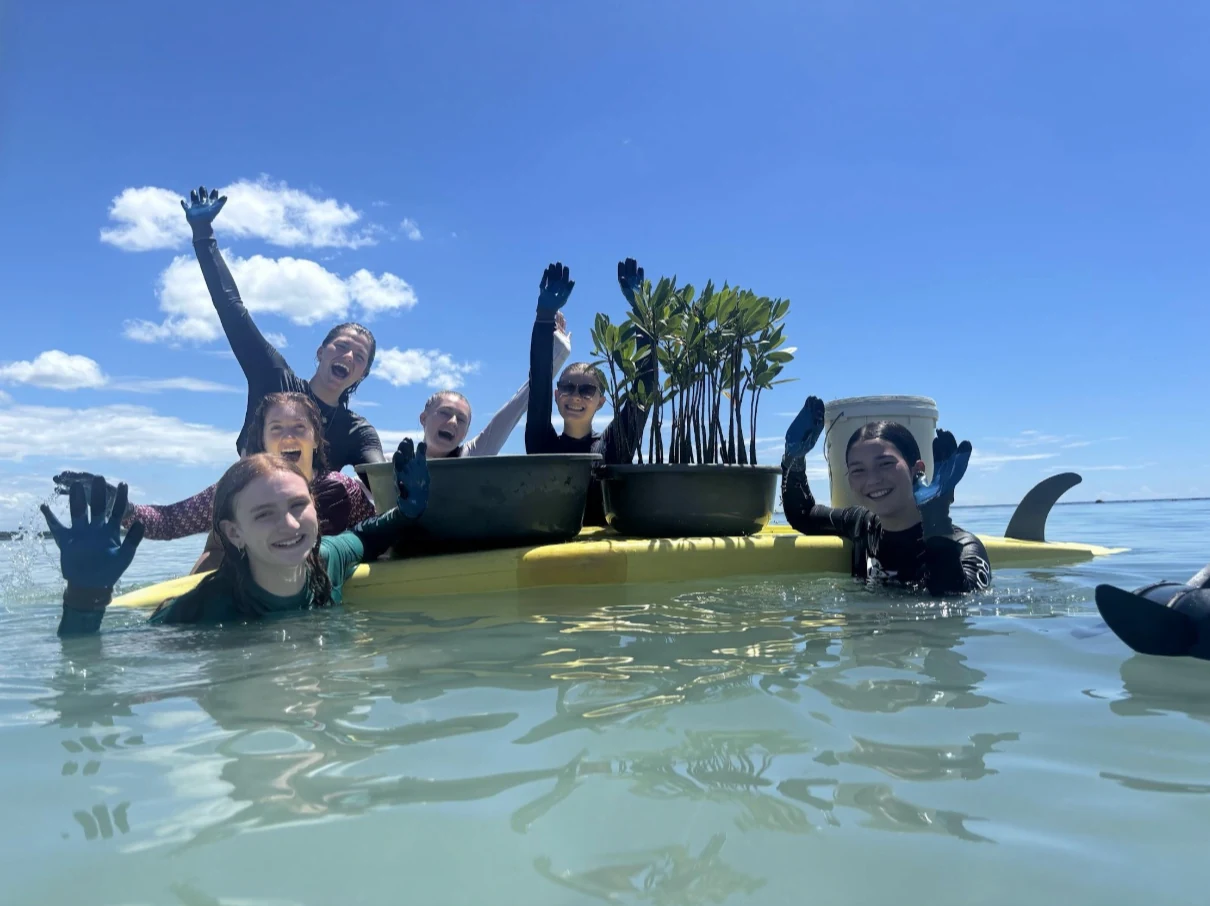
Ecological restoration, wildlife research, and biodiversity monitoring in the field.
Fieldwork follows the needs of the environment, not a fixed routine — expect early starts, changing conditions, and hands-on work alongside local conservation teams. The habitat and wildlife data your cohort helps collect contributes to ongoing research, restoration planning, and longer-term ecosystem protection.
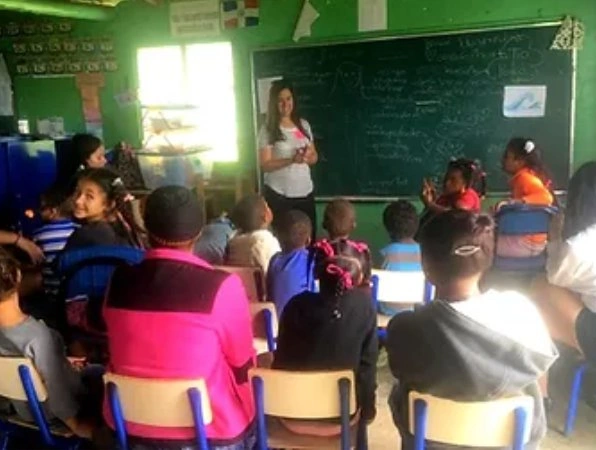
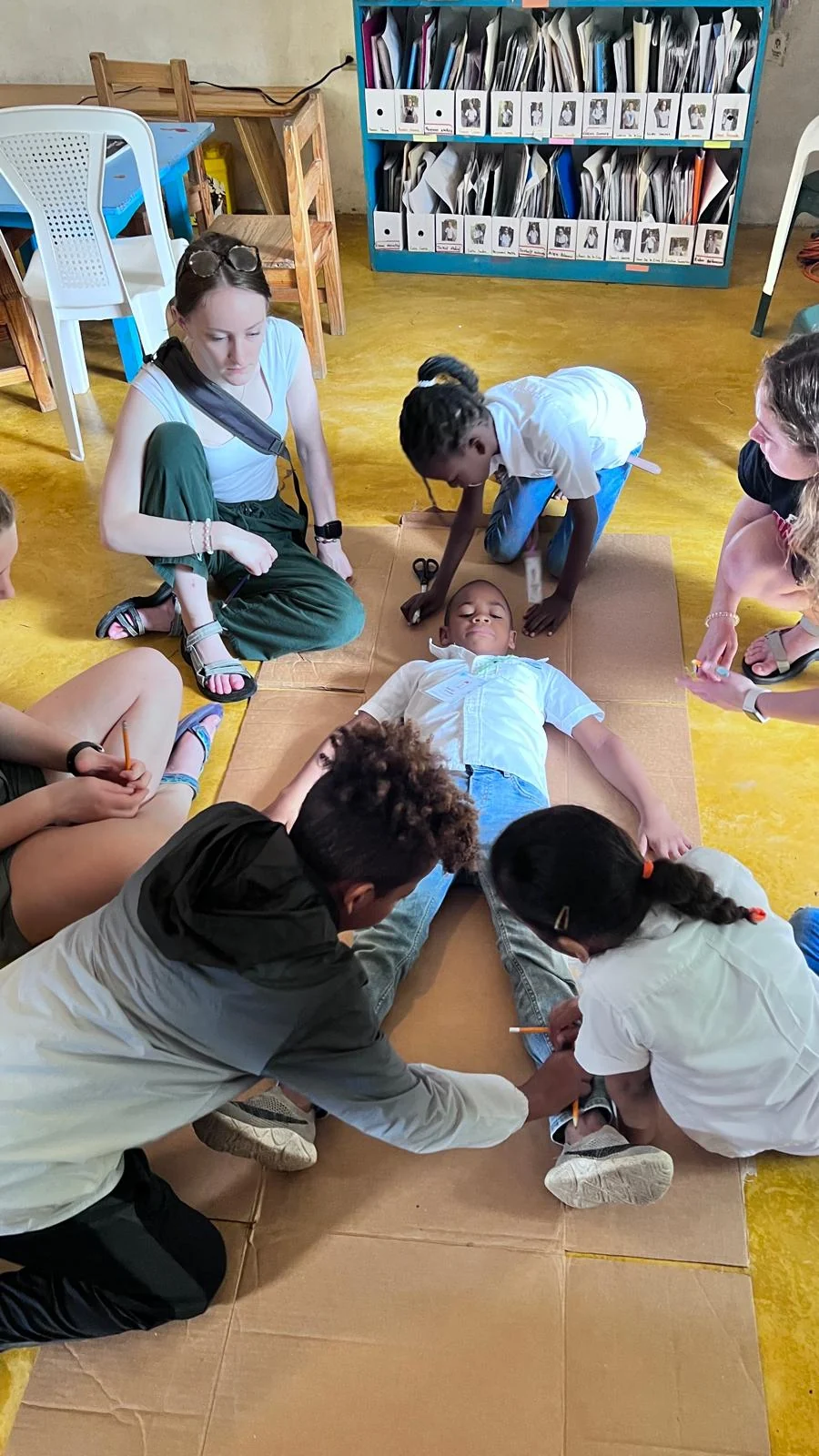
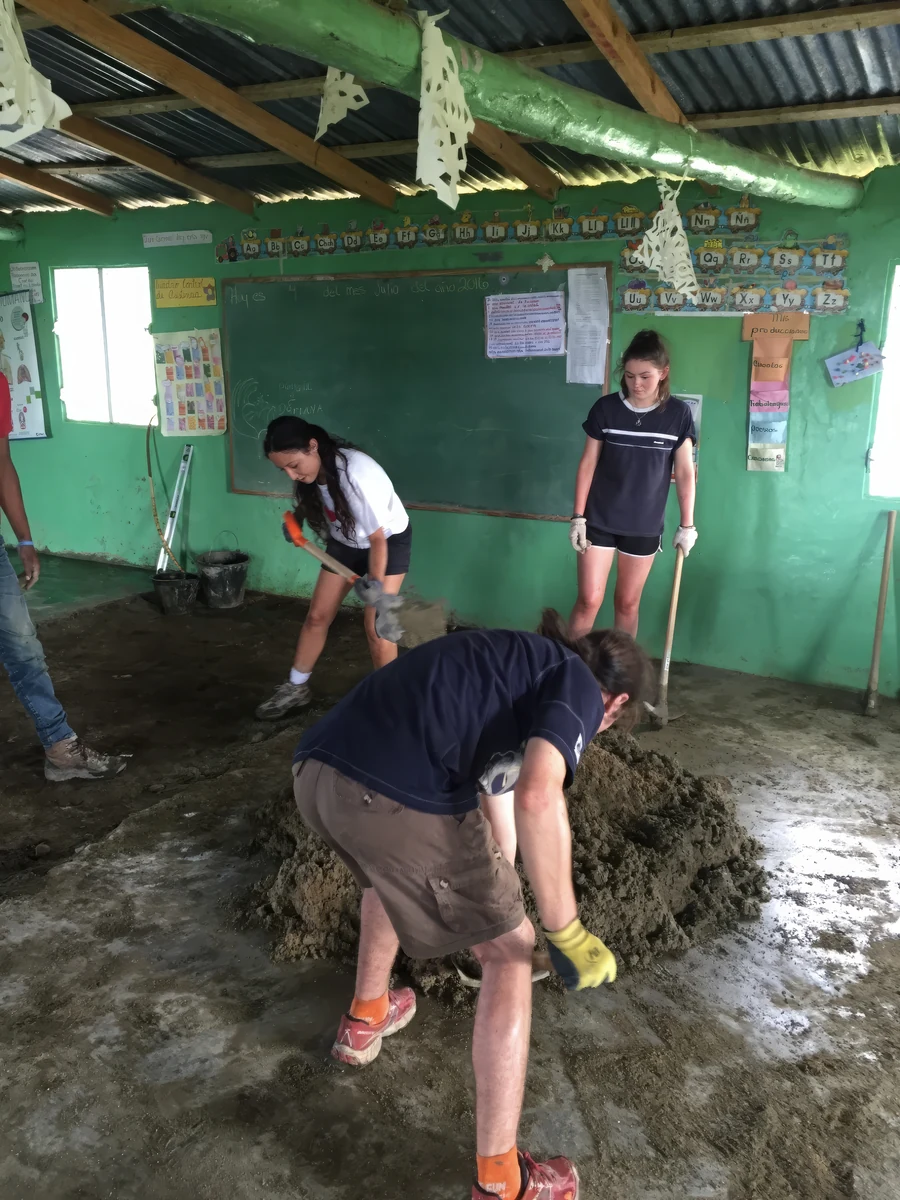
Classrooms, literacy programs, and community builds.
Working alongside local teachers and community committees inside programs that continue between cohorts. The rotation that most often produces long-term correspondence with a community.
No. You indicate a preference on the application, and you can change it during pre-departure planning. Both tracks are the same length and the same cost.
The exact split varies by destination and season, because it follows the partner organizations' actual project schedules. In every case you get meaningful working exposure to all three, followed by specialization days concentrated in the one you choose.
The rotation days are working days, not observation days — you are assigned real tasks in each. If depth in a single field is your priority, the Single-Track immersion exists for exactly that, and we will say so plainly if it fits you better.
It depends entirely on the course. Discipline-specific courses — a nursing clinical, a marine biology field course — almost always run Single-Track. Interdisciplinary, global-studies, honors and first-year seminar cohorts almost always run Integrated. Custom immersions can do either, or blend them.
Yes, in the Dominican Republic, Costa Rica and Belize.
Choose all three. One unified cohort serves communities through Health, Conservation, and Community Outreach for 14 immersive days — with three integrated specialization days designed to deepen your expertise or introduce you to each focus area through hands-on, interdisciplinary learning.
Health is one of three pillars woven into your 14-day Integrated cohort. Three specialization days deepen your focus alongside an embedded U.S.-licensed clinician — plus eleven days inside the unified cohort with future educators and conservation scientists.
Apply — Integrated Immersion
Conservation is one of three pillars in the Integrated Immersion. Three specialization days take you to partner regenerative agriculture sites, biodiversity monitoring with local biologists, and field research — within a cohort that connects ecology back to community wellbeing.
Apply — Integrated Immersion
Community Leadership & Education is one of three pillars in the Integrated Immersion. Three specialization days deepen your focus in curriculum design, classroom leadership, and environmental education — alongside peers who bring their own disciplines to every project.
Apply — Integrated ImmersionChoose all three. One unified cohort serves communities through Health, Conservation, and Community Outreach for 14 immersive days — with three integrated specialization days designed to deepen your expertise or introduce you to each focus area through hands-on, interdisciplinary learning.
Health is one of three pillars woven into your 14-day Integrated cohort. Three specialization days deepen your focus alongside an embedded U.S.-licensed clinician — plus eleven days inside the unified cohort with future educators and conservation scientists.
Apply — Integrated Immersion
Conservation is one of three pillars in the Integrated Immersion. Three specialization days take you to partner regenerative agriculture sites, biodiversity monitoring with local biologists, and field research — within a cohort that connects ecology back to community wellbeing.
Apply — Integrated Immersion
Community Leadership & Education is one of three pillars in the Integrated Immersion. Three specialization days deepen your focus in curriculum design, classroom leadership, and environmental education — alongside peers who bring their own disciplines to every project.
Apply — Integrated ImmersionChoose all three. One unified cohort serves communities through Health, Conservation, and Community Outreach for 14 immersive days — with three integrated specialization days designed to deepen your expertise or introduce you to each focus area through hands-on, interdisciplinary learning.
Health is one of three pillars woven into your 14-day Integrated cohort. Three specialization days deepen your focus alongside an embedded U.S.-licensed clinician — plus eleven days inside the unified cohort with future educators and conservation scientists.
Apply — Integrated Immersion
Conservation is one of three pillars in the Integrated Immersion. Three specialization days take you to partner regenerative agriculture sites, biodiversity monitoring with local biologists, and field research — within a cohort that connects ecology back to community wellbeing.
Apply — Integrated Immersion
Community Leadership & Education is one of three pillars in the Integrated Immersion. Three specialization days deepen your focus in curriculum design, classroom leadership, and environmental education — alongside peers who bring their own disciplines to every project.
Apply — Integrated Immersion