Overview
What Health-Focused Service Looks Like
A global health immersion with Help2Serve.Care is not passive shadowing, and it is not medical tourism. Participants enter programs shaped by local priorities and led by local partners—not short-term projects created simply for visiting volunteers.
The immersion uses community-defined service priorities, supervised health-focused observation, approved health education, structured reflection, case analysis, and transition-to-practice preparation to help participants deepen professional identity and document applied learning. Local professionals lead clinical decisions and interventions. Participants contribute only within roles established by local partners, Help2Serve.Care, applicable law, and professional oversight.
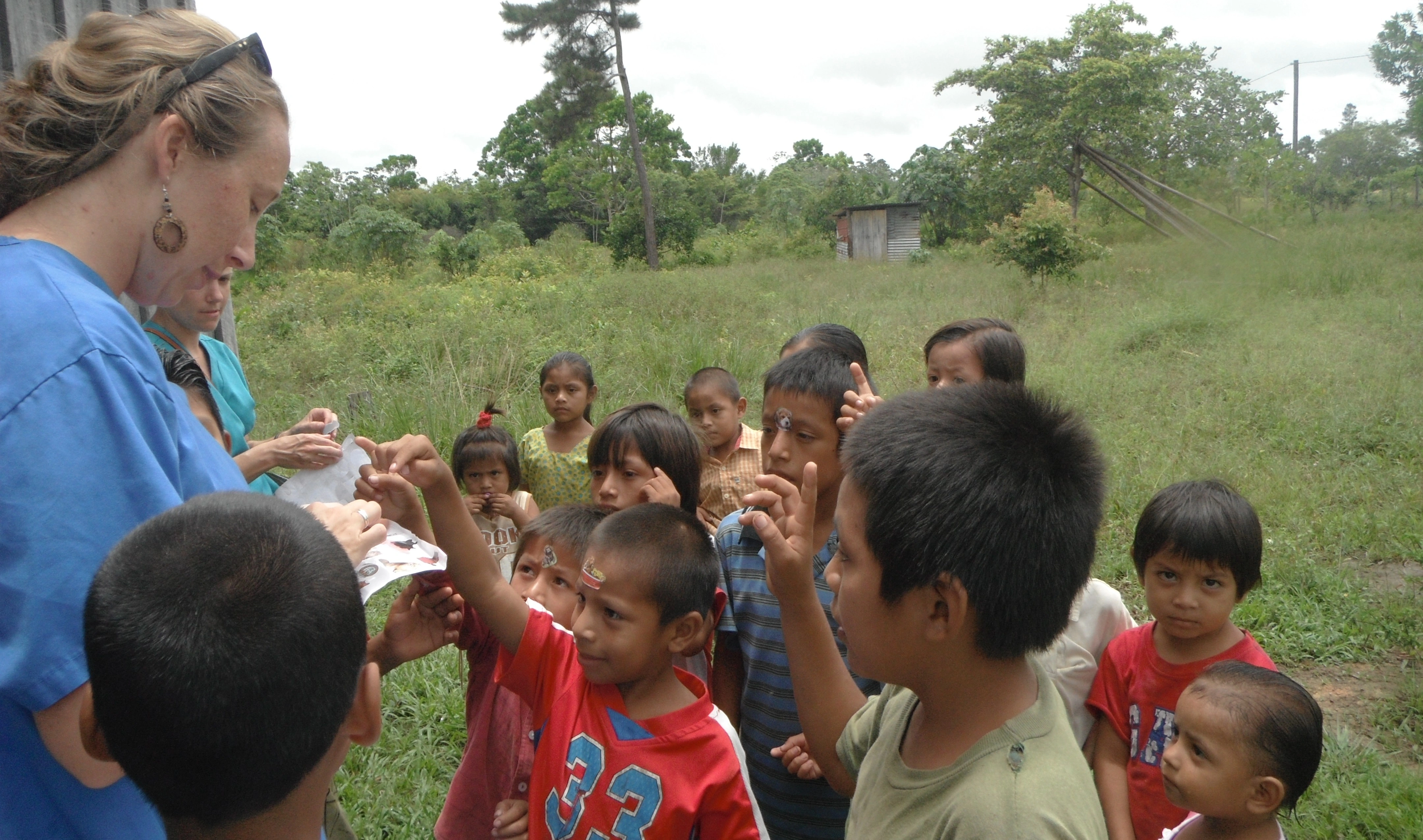
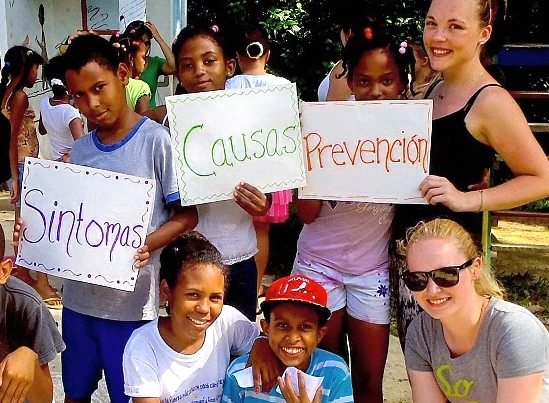
Across a 14-day Phase One, health-focused cohorts may support partner-led clinics, community health initiatives, health education, outreach, screening support, clinic logistics and flow, referral-support activities, community health assessment, and other locally identified priorities. Activities are selected with community partners and matched to participant preparation, program objectives, local requirements, and appropriate supervision.
All health experiences are observational or service-learning activities completed within explicitly assigned roles. Local licensed professionals perform clinical assessment, diagnosis, triage, treatment, and other clinical interventions. Participants may assist with pre-approved health education, logistics, nonclinical community outreach, and observation as assigned and supervised.
Scope and participant roles are established before and during the immersion. Pre-nursing students, nursing students, new graduates, other health-professions students, faculty, and licensed professionals may therefore have different responsibilities. Faculty-led and institutionally affiliated cohorts may also align approved learning activities, reflection, and assessment with identified course or program learning outcomes, while participant activities remain subject to local partner direction, applicable law, professional oversight, and Help2Serve.Care scope requirements.
Ethical participation is central to the model. Participants do not replace local workers or assume responsibilities beyond their education, preparation, licensure, or assigned role. Local expertise and community priorities remain central to the work, with the goal of contributing to programs and relationships that exist beyond the presence of any single visiting cohort.
Participants must protect privacy and may not record identifying patient or household information in assignments or personal media. Daily activities may change in response to community priorities, partner direction, participant readiness, safety, weather, or local conditions.
Health-focused immersions are offered in destinations including the Dominican Republic, Costa Rica, and Belize. In Spanish-speaking destinations, participants may also add the optional Spanish Language Week to strengthen language skills and cultural understanding before Phase One begins.