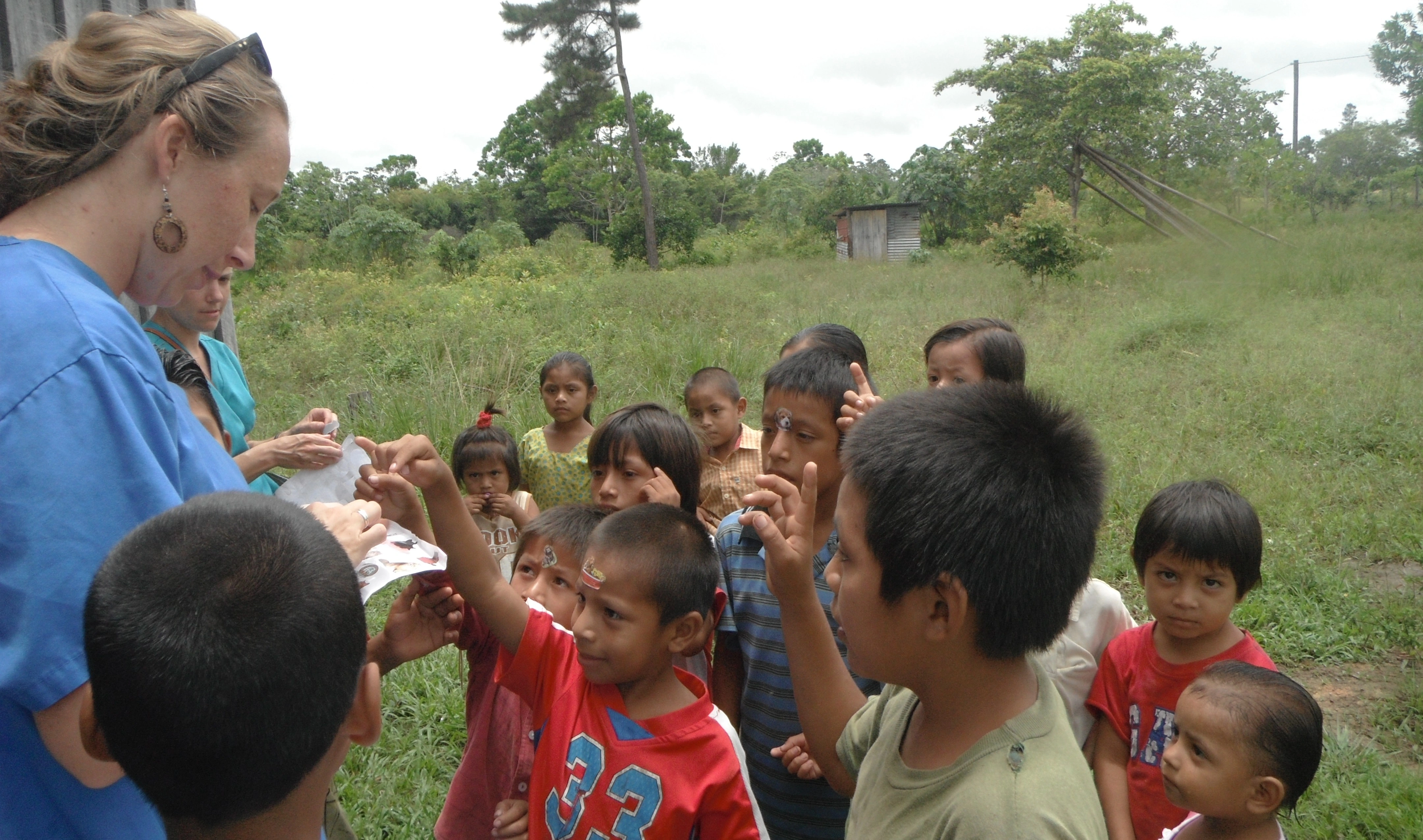
Our Signature 21-Day Immersion Experiences (non-customized, pre-published dates), each begin with Phase One: fourteen days inside real community health systems — mobile clinics, health education and public-health fieldwork, supervised by in-country clinicians and scoped to your training level.
A global health immersion with Help2Serve.Care is not shadowing and it is not medical tourism. You work inside a health program that the local partner already runs and will still be running long after your cohort flies home. The work is chosen by the community, supervised by in-country staff, and matched to what you are actually qualified to do at your stage of training.
Across a 14-day Phase One, health-focused cohorts typically support mobile and pop-up clinics in underserved communities, take and record vitals under supervision, run community health education sessions on topics the local health authority has prioritized, assist with health screenings and referrals, help with intake, translation support and clinic flow, and contribute to community health assessments that feed back into the partner's own planning.
Scope of practice is set before you arrive. Pre-nursing and undergraduate students take on health education, screening support, logistics, and assessment work. Nursing students, paramedic students and other clinical trainees work at the level their program and preceptor allow. Faculty-led cohorts can have scope negotiated in advance against course learning outcomes, which is one of the reasons departments choose this model over an unstructured placement.
Ethics are not an afterthought here. We follow a simple rule that has governed this model for twenty years: no volunteer performs a task a local person could be paid to do, and no volunteer performs a task they are not trained for. That constraint is what makes the work sustainable — and it is why partner communities keep asking cohorts back.
Health-focused immersions run in the Dominican Republic, Costa Rica and Belize. Spanish-speaking destinations pair naturally with the optional Spanish language week, which materially changes how much you can do in a clinic setting.
Our collaborative, focused work has supported health and wellness initiatives across South America and the Caribbean, as well as targeted efforts in Ethiopia. What follows is the working day that experience produced.
The record behind this focus area
Pop-up clinics reach communities that are hours from the nearest permanent facility.
Cohorts support intake, vitals, patient flow and health education while local clinicians handle diagnosis and treatment. Most students describe this as the first time healthcare felt like a system rather than a subject.
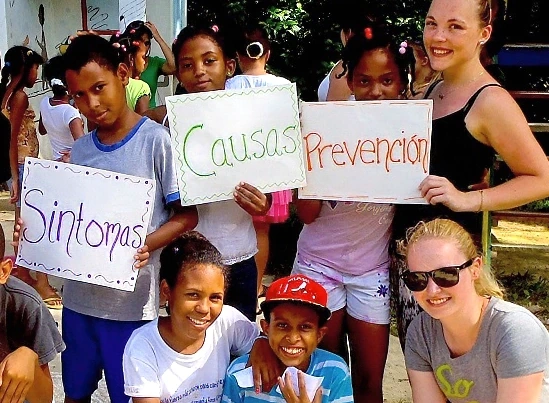
Prevention work chosen by the local health authority, not by us.
Dengue prevention, hygiene, nutrition, maternal health — the topics rotate with what the partner community is currently facing. You will plan, translate, and deliver sessions to real audiences.
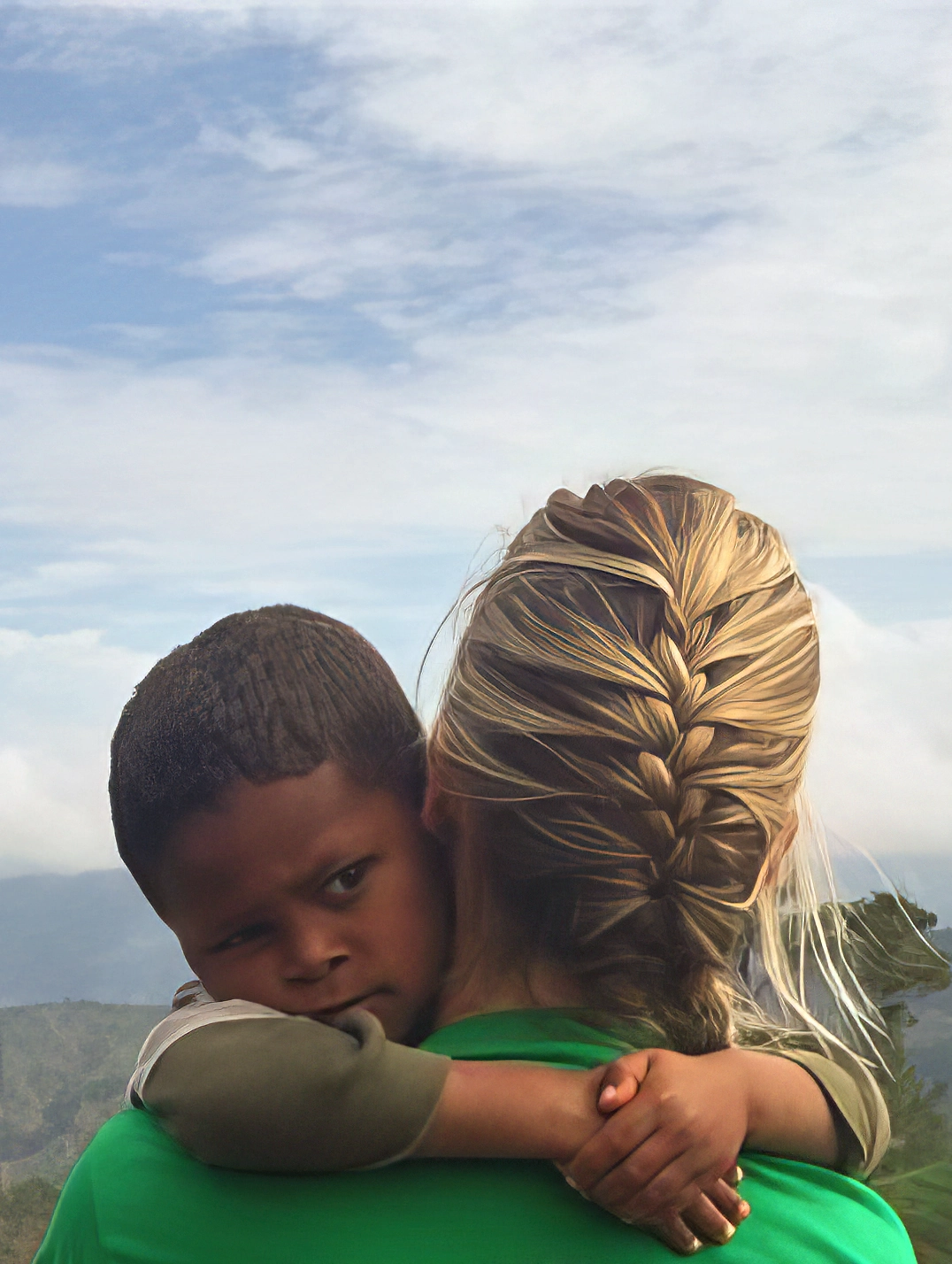
Data that outlives your cohort.
Household surveys and health assessments feed directly into the partner organization's planning cycle. Faculty cohorts frequently build capstone or research components around this work.
No. Health-focused cohorts include pre-med, pre-nursing, public health, kinesiology, biology and undeclared students alongside clinical trainees. Tasks are assigned by training level, so everyone works — just not at the same scope. If you are unsure where you would fit, email info@help2serve.care with your program and year.
Scope is agreed before departure with the in-country clinical partner. Undergraduates without clinical training typically support health education, screening logistics, vitals under direct supervision, intake and community assessment. Students enrolled in a clinical program work at the level their school and preceptor authorise. Nobody diagnoses, prescribes, or performs procedures outside their scope.
That decision belongs to your institution, not to us. What we provide is the documentation your school needs to evaluate it: a syllabus, contact hours, learning outcomes and supervisor sign-off. Start the conversation with your program director before you apply — see our Academic Credit page for what to bring them.
The Dominican Republic, Costa Rica and Belize all run health-focused service. In Spanish-speaking destinations, adding the optional Spanish language week meaningfully increases what you can contribute in a clinic setting.
The criticism is largely deserved, and it is why this model is built the way it is. Volunteers never replace paid local labor, never work outside their training, and never lead care. Projects are selected by community partners and continue between cohorts. Our free Ethical Service-Learning Guide sets out the full framework, including the things we decline to do.