Step 2 · Pick Your Focus

Community Development &
Childhood Education

Community development volunteer work abroad, in classrooms, literacy programs, youth workshops and the infrastructure a community asked for — alongside local teachers and leaders, not in place of them.

Overview

What Community & Education Service Looks Like

The community development and childhood education focus puts you inside schools, youth programs and community projects that run whether or not a cohort is present. Local teachers lead. Local committees decide what gets built. Your cohort supplies capacity that those partners have specifically asked for.

As a participant in our Signature 21-Day Immersion Experience—offered on pre-published dates (non-customized)—your journey begins with Phase One: fourteen days immersed in a project alongside local partner leadership, educators, and specialists in the field. Your service may include classroom support; English-language and literacy programming; youth workshops in sports, art, music, and life skills; early-childhood development activities; community infrastructure projects such as classroom repair, water-access improvements, painting, and construction; and support for community-run women's and youth cooperatives.

This is the focus area where the ethics of service-learning are most visible, so the boundaries are firm. Volunteers do not run classrooms unsupervised. Volunteers do not work with children outside a structured, staffed program. There is no orphanage tourism in any Help2Serve.Care destination — a deliberate policy, and one we will explain in detail to any faculty member or parent who asks. Every participant working with minors is screened before departure.

What makes the work stick is continuity. Cohorts arrive into a program that a previous cohort contributed to and a future cohort will continue. The literacy curriculum is not invented by you in week one; it is a curriculum, and you teach into it. That constraint is less romantic and considerably more useful.

Education-focused service runs in all destinations. In the Dominican Republic and Costa Rica, adding the Spanish language week transforms what you can do in a classroom. In Beltural protocols set by those partners.

In the field
Community-Led
Projects, Not Placements

Local teachers lead and local committees decide what gets built. Your cohort supplies capacity those partners specifically asked for — the standard our team has applied to education and community work since 1995.

Leading numerous projects that enhanced healthcare access and education for marginalized communities.

The record behind this focus area

What a Working Day Involves

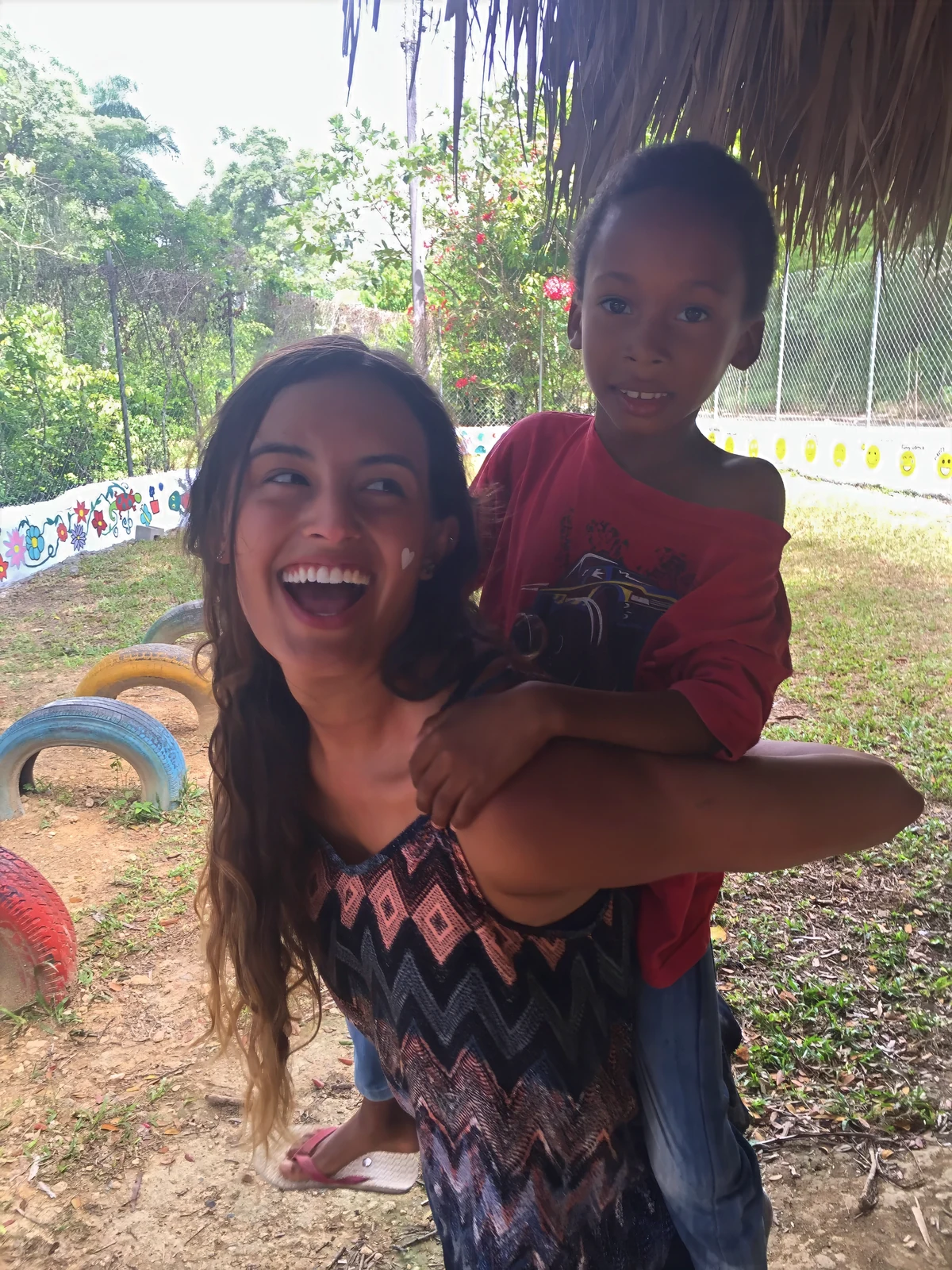
Community development volunteer abroad giving a young child a piggyback ride on a playground

Classroom support

Working alongside a local teacher inside their curriculum, not replacing them.

Small-group reading support, activity stations, and English practice. Teachers set the plan; cohorts supply the hands that let a class of forty become six groups of seven.
hover or tap to discover more
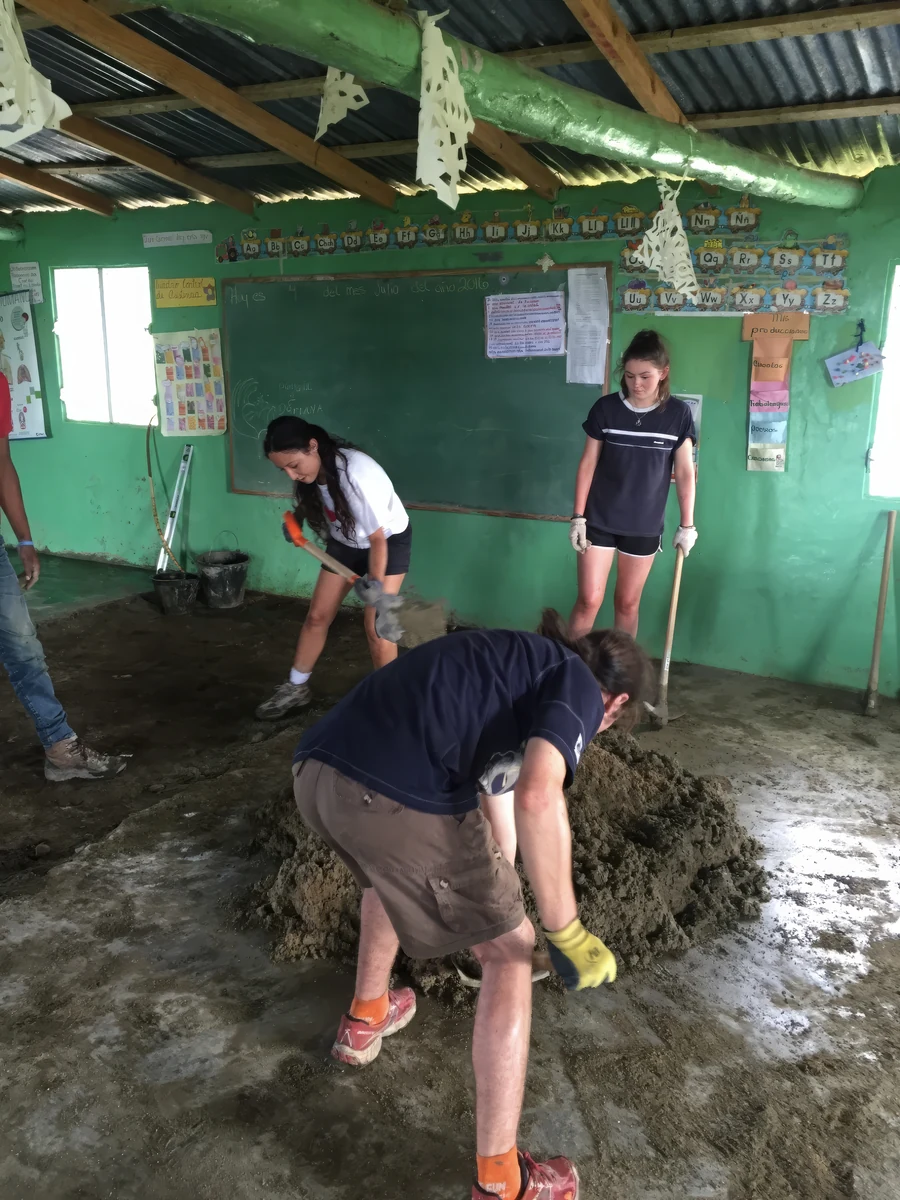
Volunteers preparing concrete for a community building

Community infrastructure

The build list comes from the community committee, not from us.

Classroom repair, flooring, water access, painting, and construction. Every project on the list was requested and prioritized locally, and skilled local trades lead the work.
hover or tap to discover more
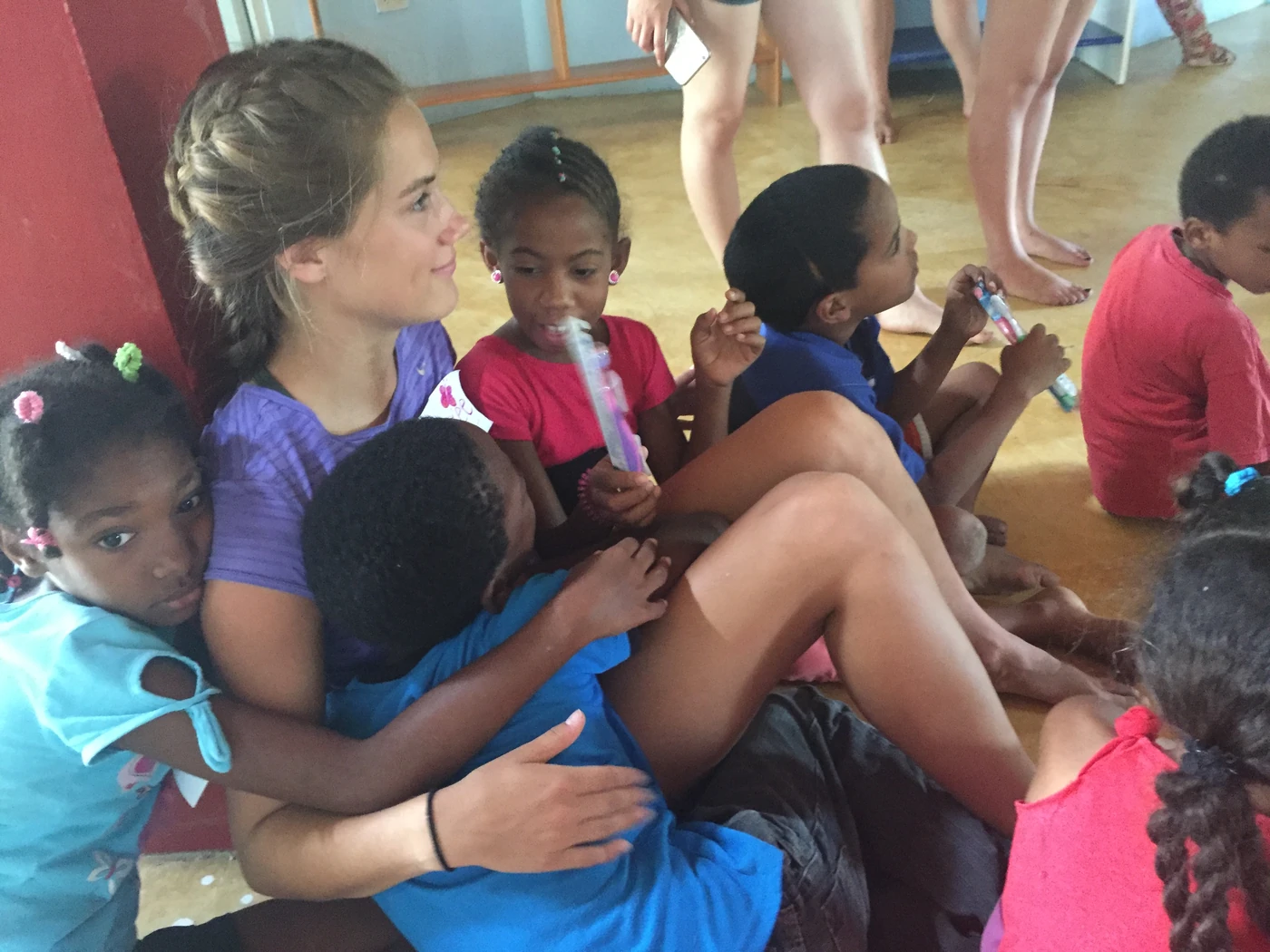
Volunteer seated with children during a structured youth program

Youth programming

Structured, staffed, and continuous between cohorts.

Sport, art, music and life-skills workshops that run to a program, with local youth workers present throughout. All participants working with minors are screened before departure.
hover or tap to discover more
Where you can do this

Choose Your Destination

Questions

Frequently Asked Questions

Neither is required. Cohorts are briefed on site and work alongside local teachers who set the plan. That said, in the Dominican Republic and Costa Rica the optional Spanish language week changes the experience substantially — most participants who add it say it was the single best decision they made.

Physical construction and repair: mixing and laying concrete, painting, basic carpentry, digging, and hauling. Local skilled trades lead every build. No prior construction experience is expected, and every fitness level has a role.

Yes, this focus is available in every destination. Community development and childhood education service runs in the Dominican Republic, Costa Rica and Belize.

Help2Serve.Care — Meaningful Service. Global Learning. Fully supported international programs with expert on-the-ground teams in global health, conservation, community development and education, guiding you each step of the way. International service-learning in Belize, Dominican Republic, Costa Rica and beyond. 50+ years combined experience, local in-country leadership, 3 Returned Peace Corps Volunteers, global health and academic expertise.